Tham quan ảo cung cấp một giải pháp tương tác và nhập vai cho ngành y tế và bệnh viện, giúp họ giới thiệu cơ sở vật chất và dự án của mình. Bằng cách cho phép khách hàng, nhà đầu tư và chuyên gia y tế khám phá trực tuyến các bệnh viện, phòng khám hoặc công trường đang xây dựng, các tổ chức có thể truyền đạt hiệu quả triết lý thiết kế, hiệu quả hoạt động và cam kết chăm sóc lấy bệnh nhân làm trung tâm. Phương pháp này nâng cao tính minh bạch, xây dựng niềm tin và cho phép các bên liên quan trải nghiệm chất lượng và chức năng của không gian chăm sóc sức khỏe mà không cần phải đến tận nơi.
Các cuộc họp nhập vai
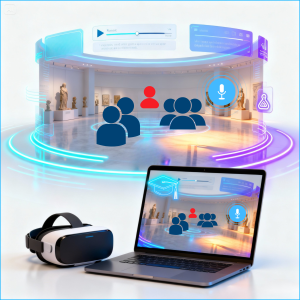
Tham quan ảo cho phép các chuyên gia chăm sóc sức khỏe, quản trị viên và nhóm thiết kế cộng tác hiệu quả hơn, đặc biệt khi làm việc với các bên liên quan từ xa. Bằng cách cùng nhau tham quan trực tuyến các cơ sở bệnh viện hoặc địa điểm dự án y tế, người tham gia có thể xem xét bố cục, đánh giá chức năng, xác định các vấn đề tiềm ẩn và đưa ra quyết định thiết kế hoặc vận hành sáng suốt dựa trên bối cảnh. Điều này giúp tăng cường giao tiếp, hợp lý hóa sự phối hợp giữa các phòng ban và giảm nhu cầu họp trực tiếp – tiết kiệm thời gian và nguồn lực quý báu đồng thời duy trì các tiêu chuẩn chăm sóc và an toàn cao.
Đào tạo trong không gian ảo 360
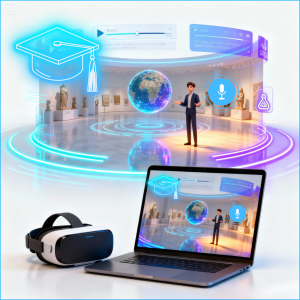
Các tổ chức chăm sóc sức khỏe và đội ngũ quản lý bệnh viện có thể sử dụng Tham quan Ảo như một công cụ mạnh mẽ cho việc đào tạo nhân viên và đào tạo liên tục. Nhân viên y tế và hành chính có thể tham quan trực tuyến các cơ sở bệnh viện để tìm hiểu về quy trình vận hành, quy trình an toàn và quản lý dòng bệnh nhân mà không cần phải có mặt trực tiếp. Phương pháp này đảm bảo đào tạo thống nhất giữa các khoa và địa điểm, nâng cao sự sẵn sàng của nhân viên và giảm chi phí cũng như gián đoạn các buổi đào tạo trực tiếp.
Quản lý quy trình xây dựng
Tham quan ảo là công cụ vô giá để theo dõi tiến độ xây dựng và cải tạo các cơ sở y tế. Các nhà quản lý dự án và quản trị viên bệnh viện có thể tham quan trực tuyến công trường để kiểm tra công việc, xem xét bố cục không gian và xác định sớm các vấn đề tiềm ẩn. Điều này giúp tăng cường tính minh bạch, tạo điều kiện thuận lợi cho sự hợp tác giữa các nhóm xây dựng và thiết kế, đồng thời đảm bảo các dự án chăm sóc sức khỏe luôn đúng tiến độ, trong phạm vi ngân sách và tuân thủ các tiêu chuẩn y tế nghiêm ngặt.
Quản lý bảo trì cơ sở
Sau khi một cơ sở y tế hoàn thành, Tham quan Ảo có thể đóng vai trò quan trọng trong việc quản lý và bảo trì cơ sở vật chất đang diễn ra. Các đội ngũ kỹ thuật và bảo trì có thể kiểm tra thiết bị ảo, xem xét tình trạng cơ sở hạ tầng và xác định các vấn đề tiềm ẩn trước khi chúng trở nên nghiêm trọng mà không cần phải có mặt trực tiếp tại hiện trường. Phương pháp này giảm thiểu thời gian ngừng hoạt động, cải thiện thời gian phản hồi, nâng cao hiệu quả vận hành và giúp kéo dài tuổi thọ của các hệ thống quan trọng trong bệnh viện, đồng thời đảm bảo việc chăm sóc bệnh nhân không bị gián đoạn.
Giám sát và kiểm soát hệ thống IoT
Bằng cách tích hợp các Chuyến tham quan Ảo với hệ thống IoT (Internet vạn vật), các cơ sở y tế có thể giám sát theo thời gian thực và kiểm soát thông minh các hoạt động quan trọng của tòa nhà. Quản lý cơ sở có thể truy cập bảng điều khiển hệ thống ảo để xem trạng thái của hệ thống HVAC, chiếu sáng và hỗ trợ y tế, điều chỉnh cài đặt và khắc phục sự cố từ xa. Sự tích hợp này giúp nâng cao hiệu suất tòa nhà, đảm bảo điều kiện môi trường tối ưu cho việc chăm sóc bệnh nhân, đồng thời giảm mức tiêu thụ năng lượng và chi phí vận hành trên toàn bộ các cơ sở bệnh viện.
Thực tế tăng cường (AR)
Đối tượng 3D trong AR
Thực tế Tăng cường (AR) cho phép các nhà thiết kế chăm sóc sức khỏe và các nhà hoạch định bệnh viện dàn dựng môi trường y tế ảo với thiết bị, nội thất và các yếu tố thiết kế. Các bên liên quan có thể sử dụng ứng dụng AR để hình dung các lựa chọn bố trí khác nhau, đánh giá luồng bệnh nhân và nhân viên, cũng như tùy chỉnh không gian để đáp ứng nhu cầu lâm sàng và vận hành. Công nghệ này giúp cải thiện quy trình ra quyết định, cải thiện sự tham gia của các bên liên quan và đẩy nhanh quá trình phê duyệt dự án cho các cơ sở chăm sóc sức khỏe.
Điểm thông tin AR
Công nghệ Thực tế Tăng cường (AR) có thể được sử dụng để hiển thị các Điểm Thông tin AR tương tác trên khắp các công trường xây dựng bệnh viện và các cơ sở chăm sóc sức khỏe đã hoàn thiện. Nhân viên, nhà thầu và khách tham quan có thể truy cập thông tin thời gian thực về hệ thống tòa nhà, quy trình an toàn và quy trình bảo trì bằng cách xem lớp phủ AR trên thiết bị di động hoặc kính thông minh. Công nghệ này tăng cường tính minh bạch, hỗ trợ tuân thủ các tiêu chuẩn an toàn chăm sóc sức khỏe và giảm sự phụ thuộc vào biển báo vật lý và tài liệu in ấn.
Điều hướng AR
Các ứng dụng dẫn đường Thực tế Tăng cường (AR) có thể hỗ trợ nhân viên, nhà thầu và khách tham quan trong việc định hướng tại cả công trường xây dựng bệnh viện và các cơ sở chăm sóc sức khỏe đang hoạt động. Bằng cách phủ bản đồ tương tác, tuyến đường và các điểm tham quan chính lên môi trường thực tế, dẫn đường AR giúp cải thiện khả năng định hướng, nâng cao an toàn và giảm thiểu nhầm lẫn trong các cơ sở bệnh viện phức tạp. Công nghệ này giúp giảm thiểu nguy cơ tai nạn hoặc chậm trễ trong quá trình xây dựng và đảm bảo sự di chuyển thuận lợi cho bệnh nhân, nhân viên và khách tham quan tại các cơ sở đã hoàn thiện.
Hình ảnh máy bay không người lái
Hình ảnh trên không 360
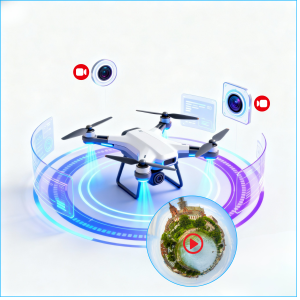
Hình ảnh 360° chụp từ trên không bằng drone mang đến góc nhìn toàn diện và độc đáo về công trường xây dựng bệnh viện và các cơ sở y tế đã hoàn thiện. Hình ảnh sống động này cho phép các bên liên quan khám phá công trường từ trên cao, giới thiệu bố cục tổng thể, tiến độ phát triển và cơ sở hạ tầng xung quanh. Hình ảnh có thể được sử dụng để giám sát dự án, báo cáo tiến độ, thuyết trình tiếp thị và tích hợp vào các Chuyến tham quan ảo nhằm tăng cường tính minh bạch và tương tác trong suốt vòng đời dự án.
Video trên không 360
Video 360° trên không được ghi lại bằng máy bay không người lái mang đến một cách thức sống động và chân thực để ghi lại tiến độ xây dựng bệnh viện và giới thiệu các cơ sở chăm sóc sức khỏe đã hoàn thành. Các bên liên quan có thể bay qua và xung quanh công trường để hiểu rõ hơn về bố cục không gian, quy mô phát triển và bối cảnh xung quanh. Những video này rất hiệu quả cho việc báo cáo dự án, thuyết trình với các bên liên quan, chiến dịch tiếp thị và tích hợp vào các Chuyến tham quan ảo, giúp thu hút khách hàng, nhà tài trợ và cộng đồng nói chung.
Mô hình 3D
Máy bay không người lái có thể thu thập dữ liệu chi tiết để tạo ra các mô hình 3D độ phân giải cao về công trường xây dựng bệnh viện và các cơ sở chăm sóc sức khỏe đã hoàn thiện. Các mô hình này cung cấp hình ảnh kỹ thuật số chính xác của tòa nhà, cho phép các kiến trúc sư, kỹ sư và nhà quy hoạch bệnh viện phân tích các mối quan hệ không gian, lập kế hoạch cải tạo và hình dung các môi trường y tế phức tạp. Dữ liệu 3D có thể được sử dụng để đo lường chính xác, phát hiện xung đột và tích hợp vào các Chuyến tham quan ảo, nâng cao độ chính xác của thiết kế, hiệu quả xây dựng và quản lý cơ sở vật chất trong toàn ngành chăm sóc sức khỏe.
Trí tuệ nhân tạo
AI Avatar Chatbots
Các chatbot và avatar ảo được hỗ trợ bởi AI có thể hỗ trợ 24/7 trong môi trường bệnh viện và cơ sở chăm sóc sức khỏe. Các hệ thống thông minh này có thể tham gia vào các cuộc trò chuyện tự nhiên để trả lời các câu hỏi của nhân viên hoặc bệnh nhân, đưa ra khuyến nghị, hướng dẫn khách đến khám và hỗ trợ báo cáo bảo trì hoặc yêu cầu dịch vụ. Bằng cách tự động hóa các tác vụ giao tiếp và hỗ trợ thường xuyên, chatbot AI cải thiện hiệu quả hoạt động, nâng cao trải nghiệm của bệnh nhân và khách đến khám, đồng thời giảm bớt khối lượng công việc cho nhân viên bệnh viện.
Phân tích dữ liệu và dự báo
AI có thể phân tích khối lượng lớn dữ liệu từ các dự án xây dựng bệnh viện, hoạt động của cơ sở vật chất và xu hướng thị trường chăm sóc sức khỏe. Bằng cách xác định các mô hình và dự đoán kết quả trong tương lai, AI cung cấp những thông tin chuyên sâu giá trị, giúp các nhà phát triển, vận hành và quản lý cơ sở vật chất chăm sóc sức khỏe tối ưu hóa chiến lược thiết kế, phân bổ nguồn lực và hiệu suất hoạt động. Phương pháp tiếp cận dựa trên dữ liệu này cho phép các bệnh viện và tổ chức chăm sóc sức khỏe đưa ra quyết định chiến lược sáng suốt, giảm chi phí và duy trì khả năng cạnh tranh trong bối cảnh chăm sóc sức khỏe đang thay đổi.
Tối ưu hóa
AI có thể tự động hóa và tối ưu hóa một loạt các quy trình trong thiết kế, xây dựng và vận hành bệnh viện, bao gồm lập kế hoạch dự án, ước tính chi phí và hậu cần chuỗi cung ứng. Bằng cách phân tích dữ liệu thời gian thực và học hỏi từ hiệu suất trong quá khứ, các hệ thống AI có thể thực hiện các điều chỉnh thông minh để cải thiện hiệu quả, giảm chi phí và đảm bảo giao hàng thiết bị y tế và vật liệu xây dựng đúng hạn. Điều này giúp thực hiện dự án suôn sẻ hơn, quản lý tài nguyên tốt hơn và mang lại kết quả tổng thể tốt hơn cho việc phát triển cơ sở y tế.