Digital Marketing
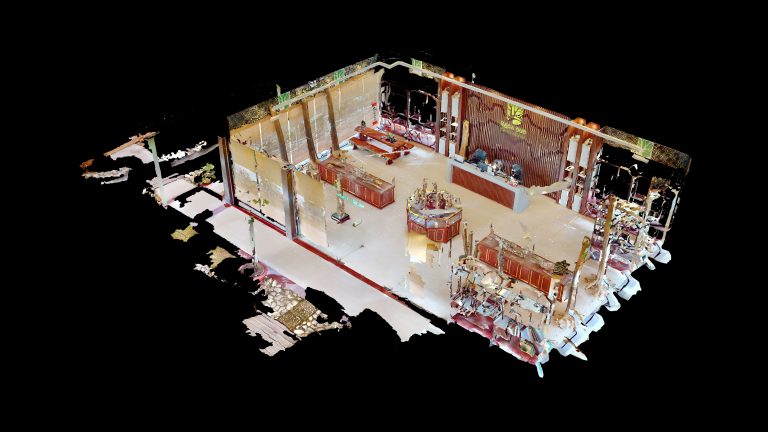
Virtual Tours enhance digital marketing efforts across the Retail, F&B, and Education sectors by providing an engaging and interactive way for audiences to explore spaces online. Customers can virtually walk through stores, restaurants, and cafés to browse products or experience the brand’s ambiance, while students and parents can explore campuses, classrooms, and facilities to get a realistic sense of the learning environment. This immersive experience strengthens brand presence, builds trust, increases engagement, and drives both customer visits and student enrollment.
Immersive Meetings
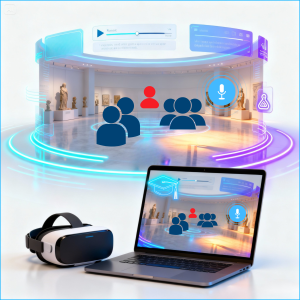
Virtual Tours enable organizations in the Retail, F&B, and Education sectors to conduct immersive and collaborative meetings with stakeholders. By virtually showcasing store layouts, restaurant interiors, or campus facilities, teams can discuss strategies, design improvements, and operational planning in a more interactive way. This approach enhances communication, streamlines decision-making, and supports consistent branding and experience across multiple locations or campuses. It also allows geographically dispersed teams—such as suppliers, marketing departments, or academic staff—to collaborate efficiently without the need for physical site visits.
Immersive Training
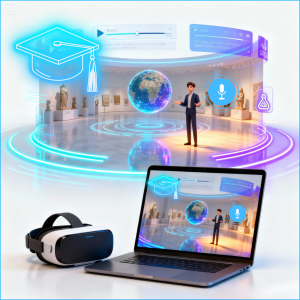
Virtual Tours serve as effective and scalable training tools across the Retail, F&B, and Education sectors. New employees can virtually explore store layouts, restaurant workflows, or campus facilities to learn about operational procedures, product placement, and service standards. This digital training approach ensures consistent onboarding experiences, improves knowledge retention, and significantly reduces the time and cost associated with in-person training sessions.
Construction Process Management
For organizations involved in new store openings, restaurant build-outs, or campus renovations, Virtual Tours offer an efficient way to monitor construction progress remotely. Stakeholders can virtually inspect sites to ensure that work aligns with design specifications, safety standards, and project timelines. This digital oversight enhances transparency, streamlines communication between teams, and reduces costly delays—helping ensure that openings and upgrades are completed on schedule and to the desired quality.
Facility Maintenance Management
Virtual Tours can support facility maintenance across the Retail, F&B, and Education sectors by allowing managers to remotely inspect building conditions, equipment, and interiors. Through virtual walkthroughs, maintenance teams can identify potential issues early, plan preventive maintenance, and prioritize repairs without the need for frequent on-site visits. This proactive approach enhances operational efficiency, reduces downtime, and helps maintain a safe and consistent environment for customers, staff, and students.
IoT Systems Monitoring and Control
Integrating Virtual Tours with IoT (Internet of Things) systems enables smarter and more efficient facility management across the Retail, F&B, and Education sectors. Through interactive virtual environments, managers can visualize real-time data such as lighting, temperature, and HVAC performance directly within the digital model. This integration allows for precise monitoring, improved energy management, and proactive adjustments to ensure optimal comfort for customers, staff, and students while reducing operational costs.
3D Objects in AR
AR enables retailers to virtually stage products in a realistic setting, allowing customers to visualize how items will look in their own spaces. This can enhance the shopping experience and lead to more informed purchasing decisions, particularly in sectors like furniture and home décor.
AR Info Points
Retailers can use AR to display interactive AR Information Points within stores, allowing customers to use their smartphones to access details such as product specifications, pricing, and promotions, enhancing engagement and providing valuable information at their fingertips
AR Navigation
AR Navigation tools can guide customers through retail spaces, helping them locate products and navigate store layouts. This technology improves the shopping experience, especially in larger stores, by making it easier for customers to find what they need.
360 Aerial Imaging
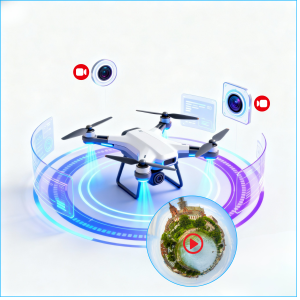
Drones can capture stunning 360-degree Aerial Images of retail locations, providing a unique perspective that can be used in marketing materials. These images can attract potential customers by showcasing the store’s layout and its surrounding environment.
360 Aerial Videos
Drone-captured 360 Aerial Videos offer an immersive way to showcase retail stores and their offerings. These videos can be used on websites and social media to engage customers and provide a dynamic view of the shopping experience
3D Modelling
Drones can create detailed 3D models of retail properties, which can be used for planning and marketing purposes. These models help visualize store layouts and can be valuable for analysing customer flow and optimizing product placement.
AI Avatar Chatbots
AI-powered chatbots can assist customers 24/7, answering questions and guiding them through the shopping process. This enhances customer service and can lead to increased sales conversion rates by providing immediate support
Data Analysis and Forecasting
AI can analyse customer behaviour, sales data, and market trends to provide insights that help retailers make informed decisions. This data-driven approach allows for better inventory management, targeted marketing strategies, and improved customer engagement
Optimization
AI can streamline various retail processes, such as supply chain management and customer relationship management. By automating tasks and optimizing workflows, retailers can improve efficiency, reduce costs, and enhance the overall shopping experience for customers